
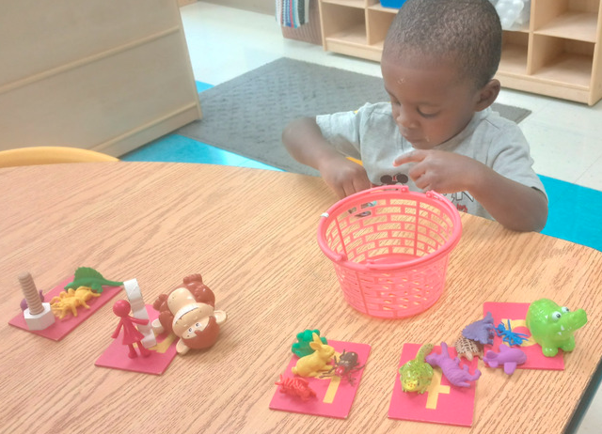
Summary: A lower teacher-to-child ratio strengthens classroom quality by improving individual attention, emotional security, developmental monitoring, classroom management, and learning engagement. This blog explains why smaller class sizes matter for families in Grovetown and how they support stronger academic readiness, confidence, and lifelong learning through responsive, play-based early childhood education.
A child’s first classroom should never feel crowded. The right teacher-to-child ratio shapes daily learning, emotional confidence, and lasting development. That is why families exploring early childhood education Grovetown programs should look beyond facilities and ask one key question first.
Why Does the Teacher-to-Child Ratio Matter More Than Parents Often Realize?
The teacher-to-child ratio simply means how many children one educator cares for at a time. This number influences every learning moment. Fewer children allow teachers to notice, respond, and teach with greater care and purpose.
When ratios become too high, children often wait longer for help. Small concerns may go unnoticed. Learning opportunities become rushed. Over time, this can affect confidence, participation, and even a child’s excitement about coming to school.
For working parents across Grovetown, including military families, this single factor often separates basic supervision from meaningful early education. It directly affects classroom quality and the daily experiences your child carries home.
How Smaller Class Sizes Build Better Learning Experiences
A smaller class does far more than reduce noise. It creates space for meaningful teaching and stronger child development.
- Teachers can adapt activities to match each child’s learning pace.
- Children receive quicker guidance during play and structured lessons.
- Educators notice developmental milestones earlier.
- Emotional needs receive faster, calmer responses.
- Classroom routines become smoother and easier to follow.
- Children participate more confidently in conversations and group activities.
Each of these small moments builds stronger learning habits over time.
Better Individual Attention Helps Every Child Learn Differently
Every child develops at a unique pace. Some enjoy speaking first. Others observe quietly before joining activities. A lower teacher-to-child ratio gives educators enough time to recognize these differences instead of following a one-size-fits-all approach.
Research in early childhood education consistently shows that responsive teacher interactions strengthen language growth, early literacy, problem-solving, and self-confidence. When teachers have time to ask questions, listen carefully, and encourage exploration, children stay engaged much longer.
Learning through play also becomes richer because teachers can extend conversations, introduce new ideas, and gently challenge thinking without rushing to another child.
Calm Classrooms Create Stronger Emotional Security
Young children learn best when they feel safe, noticed, and understood. Emotional security forms the foundation of healthy brain development, especially during the preschool years.
Smaller groups allow teachers to comfort children quickly, guide positive behavior, and help them manage emotions before frustration grows. This creates predictable routines that help children trust both their teachers and their learning environment.
A classroom that feels calm also encourages children to take healthy risks. They ask questions, solve problems, and try new activities without worrying about making mistakes.
Classroom Management Improves Without Constant Correction
Good classroom management is not about strict rules. It is about helping children stay focused, respectful, and engaged throughout the day.
When one teacher supports fewer children, transitions happen smoothly. Activity materials stay organized. Conflicts receive immediate guidance instead of becoming larger disruptions. Children spend more time learning and less time waiting or being redirected.
That steady rhythm benefits everyone. Teachers experience less stress, and children enjoy a positive environment where curiosity naturally grows.
Why Developmental Monitoring Starts with Daily Observation
Early childhood educators observe children every day. These observations help identify strengths, interests, and areas where additional support may be helpful.
Lower teacher-to-child ratios make these observations more accurate. Teachers notice changes in speech, motor skills, social interaction, and learning behavior because they spend meaningful time with every child.
Early identification allows families and educators to work together before small developmental concerns become larger learning challenges. That teamwork supports stronger long-term academic success.
How Play-Based Learning Works Best with Lower Ratios
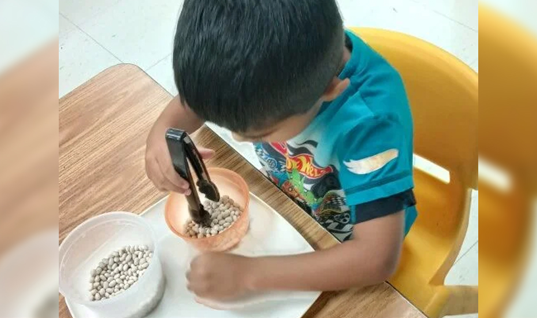
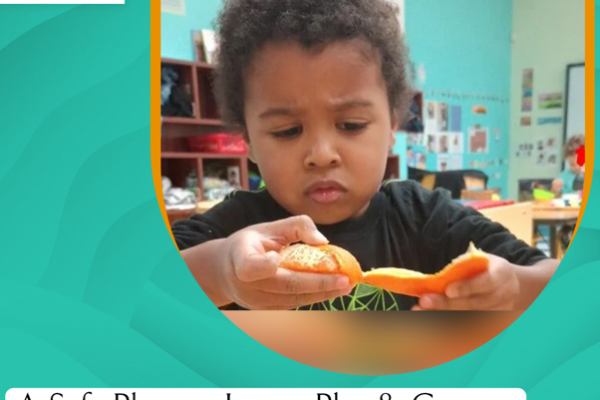
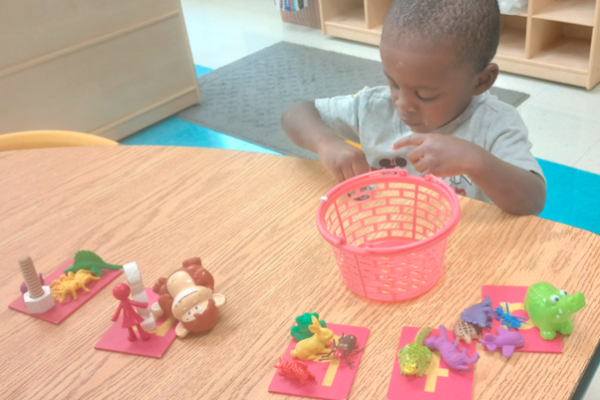
Play is serious learning during early childhood. Children build language, creativity, social skills, and early math concepts while exploring hands-on activities.
A teacher with fewer children can join play naturally instead of simply supervising it. They ask thoughtful questions, introduce new vocabulary, encourage teamwork, and connect play experiences to real-world learning.
This personalized guidance transforms ordinary play into meaningful educational experiences. It also supports the goals of quality early childhood education Grovetown programs that value exploration alongside academic readiness.
What Should You Look for When Choosing a Quality Program?
Choosing a childcare program involves more than checking availability. Classroom quality should guide your decision because it directly affects your child’s daily experience.
Ask how many children each teacher cares for throughout the day. Observe whether teachers know every child’s name, interests, and routines. Notice how children interact with adults during learning and play.
A high-quality safe daycare center Grovetown families trust will encourage these conversations. Transparent answers often reflect confidence in the learning environment they provide.
Your Decision Today Shapes Tomorrow’s Learner
The teacher-to-child ratio influences learning long before children begin elementary school. It affects confidence, relationships, communication, emotional growth, and school readiness every single day.
When you choose a program with smaller class sizes, you invest in more conversations, stronger guidance, closer observation, and richer learning experiences. Those everyday interactions create lasting benefits that children carry into future classrooms.
At Discovery Zone Kids, we create nurturing learning spaces where children learn through play, caring relationships, and meaningful guidance. We welcome your family to discover how thoughtful classroom quality supports confident lifelong learners.
Frequently Asked Questions
1. What is a good teacher-to-child ratio in early childhood education?
Lower teacher-to-child ratios are generally better because they allow educators to provide personalized instruction, closer supervision, stronger relationships, and more meaningful learning experiences every day.
2. Why do smaller class sizes improve learning?
Smaller classes increase teacher interaction, reduce distractions, strengthen classroom management, improve emotional support, and encourage children to participate more confidently during daily learning activities.
3. Does the teacher-to-child ratio affect school readiness?
Yes. Children often develop stronger language, social, emotional, and early academic skills when teachers have enough time to guide individual learning and monitor development consistently.
4. How does play-based learning benefit from lower ratios?
Teachers can actively participate in play, ask meaningful questions, introduce new ideas, and extend learning naturally, making every activity more engaging and educational.
5. What should parents ask during a daycare visit?
Ask about teacher-to-child ratios, classroom routines, staff qualifications, developmental observations, communication with families, and how educators support children’s emotional and academic growth.
Get In Touch
For more information or to schedule a tour, get in touch with Discovery Zone Kids today!
Phone: 706-496-2489
Email: discoveryzonekids@gmail.com

 Recent Post