
Summary: Everyday routines can become powerful early learning experiences when educators intentionally connect meals, outdoor play, dressing, cleaning, and transitions with language, math, social skills, movement, independence, and curiosity. Play-based, hands-on learning supports whole-child development while keeping children engaged. For Georgia families, quality early education should combine emotional security, purposeful learning, responsive care, and developmentally appropriate practice.
A child sorts spoons before lunch, counts berries, and asks why some cups hold more. A skilled educator sees more than routine: each moment can build language, math, confidence, and curiosity.
A strong early learning program does not separate learning from daily life. An early childhood education Grovetown can make ordinary moments purposeful through play, conversation, movement, choice, and hands-on exploration.
Research from the National Association for the Education of Young Children shows that play supports language, self-regulation, social skills, problem-solving, and cognitive growth.
Georgia families can also look to the Georgia Early Learning and Development Standards, which provide a birth-to-five framework covering key developmental areas and supporting intentional learning experiences.
The key is intentional teaching. You do not need to turn every activity into a lesson. Instead, you create small learning opportunities inside familiar routines that children already understand and enjoy.
Meals Can Become Small Lessons in Math and Language
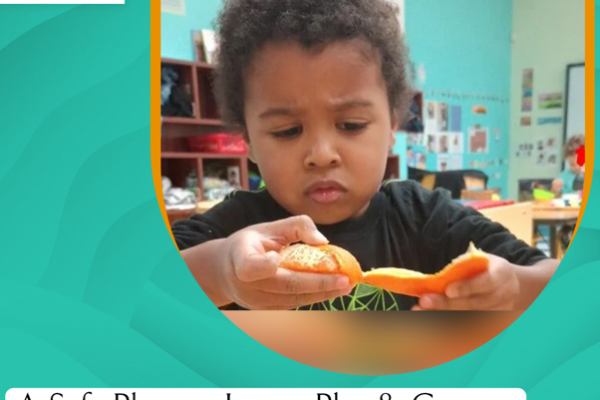
Mealtimes offer natural chances to count, compare, describe, request, and make choices. You can ask children to count crackers, compare cup sizes, name colors, or describe textures.
The learning becomes richer when educators use precise words. Terms such as more, less, empty, full, soft, crunchy, before, after, and next introduce useful concepts without interrupting the meal.
Children also practice social communication while eating together. They learn to wait, listen, ask politely, share space, and respond to others. These simple interactions support social-emotional development and classroom relationships.
For preschoolers, serving food can build independence too. With suitable supervision, children can pour water, choose between options, carry lightweight items, and help clear their place after eating.
Outdoor Play Turns Movement into Discovery
Outdoor play can become an informal science, math, language, and physical development laboratory. You might invite children to notice leaves, compare shadows, count steps, or describe weather changes.
Instead of giving every answer, educators can ask questions that encourage observation. “What changed?” “Which one is longer?” and “What do you think will happen?” invite children to think before responding.
Movement can also introduce mathematical ideas. Children can jump five times, compare distances, follow positional words, or create patterns using movements. Math becomes something they experience with their bodies.
Outdoor experiences support more than physical skills. Children negotiate space, follow group rules, wait for turns, solve small conflicts, and learn how their actions affect other children during shared play.
Getting Dressed Can Build Independence
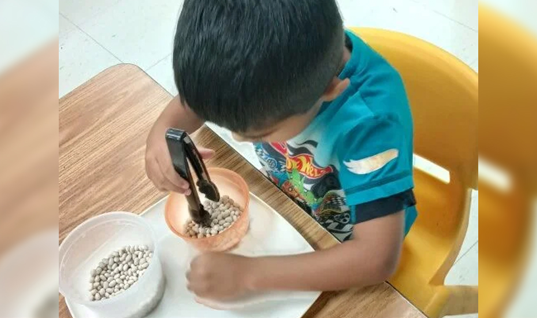
Dressing is often treated as a transition between activities. It can also strengthen fine-motor skills, sequencing, vocabulary, decision-making, and independence when educators allow children enough time to participate.
You can name clothing, describe positions, and discuss order. “First socks, then shoes” introduces sequencing, while words such as inside, outside, under, over, left, and right build useful language.
A child struggling with a zipper does not always need immediate adult help. Give a small prompt, pause, and allow another attempt. Productive struggle can build persistence without creating unnecessary frustration.
Choice matters, too. Offering two suitable options can help children practice decision-making while keeping the routine manageable. The CDC specifically recommends simple choices and opportunities for young children to help with everyday tasks.
Daily Routines Can Strengthen Language and Thinking
Routines give children repeated opportunities to hear and use meaningful language. Arrival, handwashing, transitions, rest, and departure all provide predictable moments for conversation and connection.
Educators can describe what is happening, invite children to predict what comes next, and encourage them to explain their choices. Repetition helps children connect words with actions and experiences.
A useful approach is to follow the child’s interest. If a child notices a puddle, do not rush past it. Ask what happened, compare its size, and explore where the water might go.
What Does Intentional Teaching Look Like?
Intentional teaching means knowing what children can learn from an experience and choosing simple ways to support that learning. It does not mean controlling every part of play.
For example, children building with blocks might naturally explore balance, shapes, size, counting, cooperation, and problem-solving. An educator can extend that learning with one well-timed question.
“Can you make it taller?” encourages planning. “Which block is wider?” introduces comparison. “What could make it stronger?” encourages prediction, reasoning, and experimentation.
This approach is often called guided play. It combines children’s initiative with thoughtful adult support, allowing children to remain active while educators connect experiences with meaningful learning goals.
How Can Early Childhood Education Support Everyday Learning?
For families comparing early education programs, and looking for a centre of early childhood education Grovetown must check beyond worksheets and planned activities. Ask how educators use meals, outdoor time, routines, play, and classroom responsibilities to support whole-child development.
A strong program should provide opportunities for children to explore, communicate, move, make choices, solve problems, and build relationships. Learning should feel active, purposeful, and appropriate for the child’s developmental stage.
You should also look for emotional security. Children learn more freely when trusted adults respond warmly, provide predictable routines, and give them room to try, make mistakes, and try again.
For working parents, military families, and local professionals, this matters because quality childcare must support development while fitting real family schedules. Consistency between care, learning, relationships, and routines creates valuable continuity.
How Can You Tell Whether A Daycare Uses Everyday Learning Well?
When checking out a Grovetown GA daycare; ask educators to explain what children learn during ordinary routines. A thoughtful answer should connect daily experiences with language, mathematics, social-emotional skills, physical development, independence, and curiosity.
You can also observe whether children have opportunities to make choices and solve manageable problems. A classroom where adults do everything for children may leave fewer opportunities for independence.
Georgia’s GELDS framework emphasizes individual development and intentional, evidence-based learning experiences. That makes developmentally appropriate practice especially relevant when families evaluate early education and daycare choices.
The Best Learning Opportunities May Already Be In Your Day
You do not need expensive materials to create meaningful early learning. A spoon, shoe, leaf, towel, block, cup, or box can become a tool for thinking when an educator adds language, questions, choices, and time.
The goal is not to make childhood feel like school all day. The goal is to notice learning where children already live, play, talk, move, help, wonder, and connect with others.
When educators turn everyday moments into purposeful experiences, children gain more than isolated academic skills. They build curiosity, independence, communication, cooperation, persistence, and confidence for future learning.
At Discovery Zone Kids, we create early learning experiences where play, hands-on activities, emotional security, and curiosity work together. Call 706-496-2489 or email discoveryzonekids@gmail.com to learn more or tour Monday–Friday, 9am–5pm.
FAQs
1. How can meals support early childhood learning?
Meals can support counting, comparison, vocabulary, communication, turn-taking, decision-making, and independence while children participate in familiar, meaningful routines.
2. Why is outdoor play important for early learning?
Outdoor play supports movement, observation, language, problem-solving, social interaction, early science concepts, and mathematical thinking through active exploration.
3. Can cleaning activities teach children?
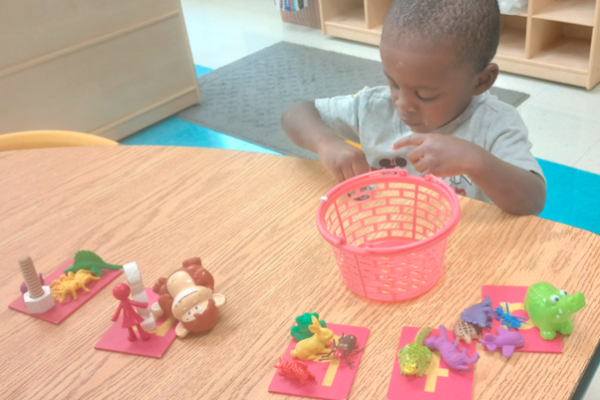
Yes. Cleaning can teach sorting, counting, matching, sequencing, responsibility, cooperation, following directions, and vocabulary through simple classroom tasks.
4. How does dressing support child development?
Dressing builds fine-motor skills, sequencing, vocabulary, decision-making, coordination, persistence, and independence when children receive appropriate time and support.
5. What should you look for in a Grovetown GA daycare?
Look for warm relationships, predictable routines, active play, hands-on learning, developmentally appropriate practice, family communication, and opportunities for children to build independence.

 Recent Post