
Summary: A strong daycare curriculum prepares children for kindergarten by combining early academics with language, self-regulation, attention, social skills, independence, problem-solving, and classroom routines. Purposeful play and hands-on learning help children practice these skills naturally. Discovery Zone Kids’ Pre-K program uses this school-readiness approach to support confident, capable learners.
Your child may know letters, count objects, and enjoy stories, yet kindergarten can still feel like a big leap when classroom routines, emotions, friendships, and independence become part of learning. Let us bring the details for you –
What Does Kindergarten Readiness Really Mean?
Kindergarten readiness means more than knowing the alphabet or counting to ten. You want your child to communicate, listen, manage feelings, solve simple problems, follow routines, and learn with others.
A strong daycare curriculum builds these skills through daily experiences, not isolated drills. Children learn by talking, playing, moving, creating, asking questions, making choices, and trying again after mistakes.
For families comparing childcare options, a day care center in Columbia County should offer more than supervision. Look for a learning plan that connects play, development, social growth, and early academics.
Why Should School Readiness Go Beyond Academics?
A child can recognize numbers and still struggle to wait for a turn. Another child may know many letters but hesitate when asked to join group activities or explain an idea.
These gaps can affect classroom participation. That is why effective early education supports the whole child, including language, self-regulation, attention, social skills, independence, and problem-solving.
The goal is not to make preschool feel like elementary school. Instead, you give children repeated chances to practice skills they will use when formal schooling begins.
How Does Language Development Prepare Your Child?
Language skills help your child understand directions, express needs, answer questions, and take part in classroom conversations. A rich daycare setting creates many natural opportunities for children to communicate.
Story time, songs, pretend play, group discussions, and teacher conversations can strengthen vocabulary and listening. Your child also learns that words help explain feelings, ideas, choices, and experiences.
That foundation matters because kindergarten learning often depends on listening carefully and explaining thoughts clearly. Strong communication helps your child participate rather than simply observe.
Where Does Early Math Fit Into Kindergarten Readiness?
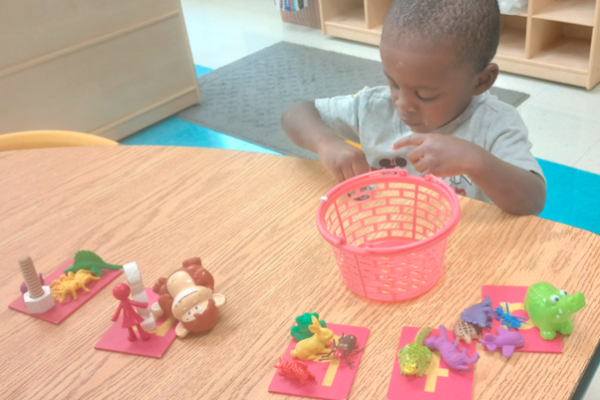
Early math is not about worksheets alone. Children develop mathematical thinking while sorting objects, comparing sizes, counting materials, noticing patterns, and deciding how many items they need.
Hands-on activities make abstract ideas easier to understand. When children build with blocks, share classroom materials, or measure ingredients during an activity, they see math working in real situations.
A useful curriculum gradually introduces number sense, shapes, patterns, measurement, and simple problem-solving. The focus stays on understanding, curiosity, and practical use rather than memorizing answers.
Can Daycare Help Children Build Self-Regulation?
Self-regulation helps children pause, manage strong feelings, follow directions, and return to an activity after becoming frustrated. These skills that a noted day care center in Columbia County offers, support learning because attention and emotional control affect classroom behavior.
Teachers can model calm responses, name emotions, offer choices, and use predictable routines. Children then practice waiting, transitioning, sharing space, and handling small disappointments with adult support.
You should expect progress rather than perfection. A kindergarten-ready child does not need perfect emotional control. They need growing skills and trusted adults who help them practice.
Why Do Attention and Classroom Routines Matter?
Kindergarten includes many transitions. Children may move from circle time to centers, from outdoor play to lunch, or from a group activity to independent work.
A daycare curriculum can prepare children by making routines predictable. Repeated cues help children understand what happens next, where materials belong, and how to move between activities.
Over time, these routines reduce uncertainty. Your child begins to manage small tasks with fewer reminders, which creates more space for learning and classroom participation.
How Do Social Skills Support a Smoother Start?
School is a shared environment. Your child must listen to peers, take turns, cooperate, solve disagreements, and understand that other children may have different ideas.
Play provides a practical setting for this learning. Teachers can guide children through sharing materials, joining games, negotiating roles, and using words when conflicts happen.
These moments build social confidence. Your child learns that relationships require communication, flexibility, patience, and respect, all of which matter during the kindergarten transition.
Why Is Independence a School-Readiness Skill?
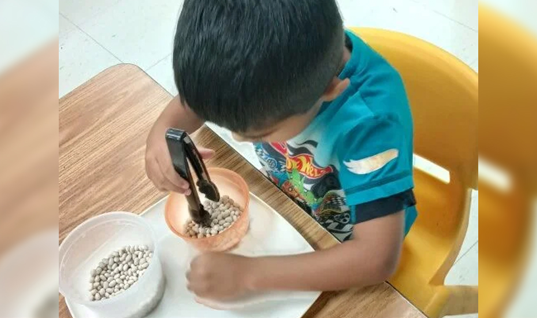
Independence does not mean expecting a young child to manage everything alone. It means giving your child suitable responsibilities and enough practice to complete familiar tasks with growing confidence.
Simple routines can include putting belongings away, washing hands, choosing materials, cleaning an activity area, or asking for help when needed.
These small habits have a big effect. When children can manage basic tasks, they can focus more attention on classroom learning and new experiences.
How Does Problem-Solving Prepare Children for School?
Young children solve problems constantly. A block tower falls, a puzzle piece does not fit, or two children want the same toy. Each situation can become a learning opportunity.
Instead of immediately providing answers, skilled educators can ask questions and encourage children to test ideas. This approach develops flexible thinking and persistence.
Problem-solving also builds confidence. Your child begins to understand that difficulty does not always mean failure. Sometimes, it simply means another approach is needed.
What Should You Look For in a Daycare Curriculum?
When you compare programs, ask how learning happens during an ordinary day. Look for purposeful play, hands-on activities, teacher-guided experiences, group routines, outdoor movement, and opportunities for child choice.
A quality program should also show how teachers observe development and adjust activities. Children do not all learn at the same pace, so responsive teaching matters.
For families considering Grovetown GA daycare, the best choice should balance early academics with emotional security, social learning, independence, curiosity, and meaningful daily experiences.
How Does Discovery Zone Kids Approach School Readiness?
Discovery Zone Kids’ Pre-K program is designed around school readiness, using early learning through play and hands-on activities to support academic, social, emotional, and practical development.
The approach gives children opportunities to explore while building language, early math, attention, self-regulation, independence, problem-solving, and classroom habits in a supportive setting.
For working parents, military families, and local professionals, a dependable schedule also matters. We operate Monday–Friday, 6AM–6PM, helping families plan childcare around work and daily responsibilities.
What Should You Ask Before Choosing a Program?
Ask how teachers prepare children for kindergarten, how they support behavior, what children do during transitions, and how learning goals appear in daily activities.
You can also ask about teacher-child interaction, family communication, classroom routines, outdoor time, and how educators respond when a child needs extra guidance.
A tour can reveal details that a website cannot. Watch how teachers speak with children, whether children appear engaged, and whether the environment feels calm, welcoming, and organized.
The Bottom Line: Readiness Is Bigger Than ABCs
A daycare curriculum supports kindergarten readiness when it develops the skills children need to learn, communicate, cooperate, manage themselves, and handle everyday classroom expectations with growing confidence.
You should look for a program where academic learning and child development work together. Letters and numbers matter, but so do attention, relationships, independence, curiosity, and problem-solving.
At Discovery Zone Kids, we invite you to see how our Pre-K approach supports school readiness. Call 706-496-2489 or email discoveryzonekids@gmail.com to ask questions or schedule a tour, Monday–Friday, 9am–5pm. We welcome your family and your goals before you choose care.
Frequently Asked Questions
1. What is kindergarten readiness?
Kindergarten readiness includes early academic skills plus communication, attention, self-regulation, social skills, independence, problem-solving, and comfort with classroom routines.
2. Does daycare really prepare children for kindergarten?
Yes. A purposeful daycare curriculum can build school-readiness skills through play, guided activities, routines, conversations, social interaction, and hands-on learning.
3. Should preschool focus mainly on reading and math?
No. Early literacy and math matter, but children also need emotional, social, physical, language, and self-management skills for successful classroom participation.
4. How can parents support kindergarten readiness at home?
Read together, encourage conversation, let your child complete simple tasks, practice routines, play counting games, and give them time to solve small problems independently.
5. What should parents ask during a daycare tour?
Ask about the curriculum, teacher support, daily routines, learning goals, family communication, kindergarten preparation, classroom activities, and how educators respond to individual developmental needs.

 Recent Post