
Overview: A preschool classroom does more than hold toys and tables. It shapes how children feel, learn, explore, and connect. This blog explains how safe, sensory-rich, and emotionally supportive environments improve confidence, independence, curiosity, and early development while helping parents identify signs of a high-quality preschool program.
Searching for the right preschool often starts with one simple question: “Will my child feel safe, happy, and excited to learn here?”
That question matters more than most parents realize. A classroom environment quietly shapes how children think, behave, explore, and build confidence every single day. In many cases, the space itself becomes the “third teacher.” That is why parents looking for full-time daycare near Grovetown GA should pay close attention to how classrooms feel, not just how they look.
Why Does Classroom Environment Matter So Much in Early Childhood Learning?
Children learn with their whole body. They touch, move, listen, watch, ask questions, and test ideas. A well-designed preschool classroom supports this natural process instead of controlling it too tightly.
Research in early childhood education shows that children thrive in spaces that feel emotionally safe, predictable, and engaging. When children feel calm, their brains stay open to learning. When spaces feel chaotic or cold, children often become withdrawn, distracted, or anxious.
A good full-time daycare near Grovetown GA works like fertile soil. Growth becomes easier because the environment supports it naturally.
What Makes a Preschool Classroom Feel Emotionally Safe?
Emotional security starts with consistency. Children need familiar routines, warm interactions, and spaces where they know what comes next.
Strong preschool environments usually include:
- Cozy reading corners
- Calm sensory areas
- Child-sized furniture
- Visual schedules
- Open play stations
- Gentle lighting
- Clear learning zones
These details may seem small, yet they help children feel grounded. Think about how adults relax more easily in organized spaces. Children are no different. In fact, they are even more sensitive to environmental stress.
A nurturing classroom also encourages children to express feelings safely. Teachers who knead play dough beside children, sit at eye level, and respond calmly create emotional trust. That trust becomes the foundation for curiosity and exploration.
How Do Sensory-Rich Spaces Improve Learning?
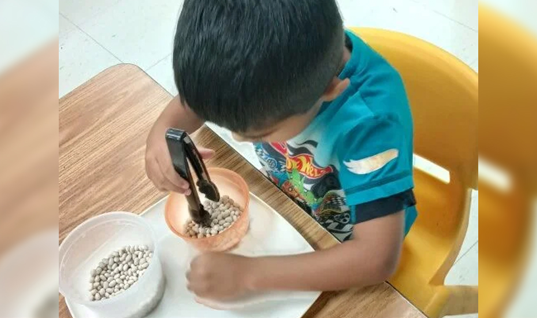
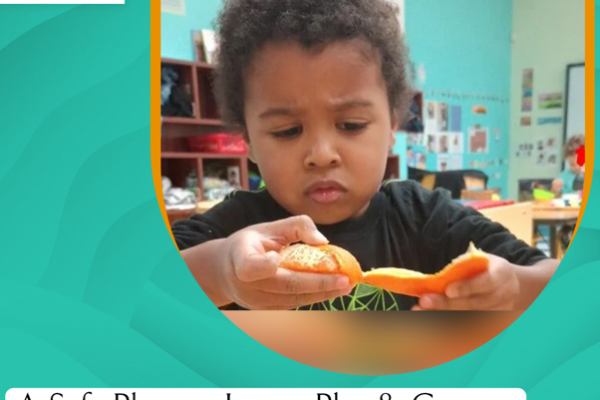
Young children learn best when multiple senses work together. A sensory-rich classroom gives children chances to see, hear, touch, smell, move, and experiment.
That does not mean loud or overstimulating rooms packed with flashing toys. A balanced sensory environment feels intentional and calming.
For example:
- Water tables build fine motor skills
- Texture walls improve sensory awareness
- Music corners support language patterns
- Nature-based materials encourage observation
- Hands-on art strengthens creativity and control
Children remember experiences better when learning feels active. It sticks like mud on rain boots. You cannot shake it off easily.
This style of learning also supports brain development. Studies in child psychology and neuroscience show that interactive learning improves memory retention, emotional regulation, and problem-solving skills during early childhood.
Can Classroom Design Encourage Independence?
Yes, and this is one of the clearest signs of preschool quality.
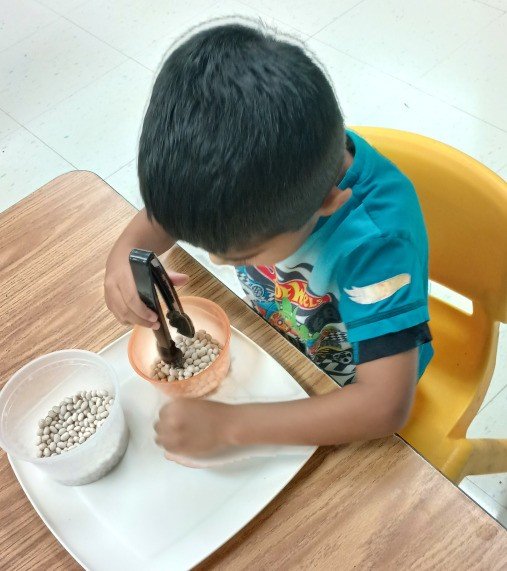
A child-friendly classroom allows children to do things on their own safely. That includes choosing activities, cleaning up materials, washing hands independently, and accessing learning tools without constant adult help.
Independence builds confidence quietly. Every small success tells a child, “I can do this.”
Look for classrooms where:
- Materials sit on low shelves
- Labels use pictures and words
- Activity areas remain uncluttered
- Children move freely between stations
- Teachers guide instead of overcorrecting
These environments support executive functioning skills. That includes focus, self-control, decision-making, and responsibility.
Parents searching for a quality preschool Grovetown Georgia often notice that the strongest programs encourage independence naturally through play-based learning rather than pressure-filled instruction.
Why Inclusive Spaces Support Better Social Development
Children learn belonging before they learn academics deeply.
An inclusive classroom helps every child feel seen, respected, and valued. That includes differences in learning pace, personality, language, culture, and emotional needs.
Inclusive preschool environments often include:
- Diverse books and learning materials
- Collaborative group activities
- Quiet areas for emotional regulation
- Flexible learning approaches
- Positive conflict-resolution guidance
Children who feel accepted participate more confidently. They speak more, share ideas more freely, and build healthier peer relationships.
It also teaches empathy early. A classroom that welcomes differences helps children grow into emotionally aware learners instead of competitive little robots rushing through worksheets.
How Does Play-Based Learning Shape Classroom Quality?
Play is not “extra.” It is the engine behind early childhood learning.
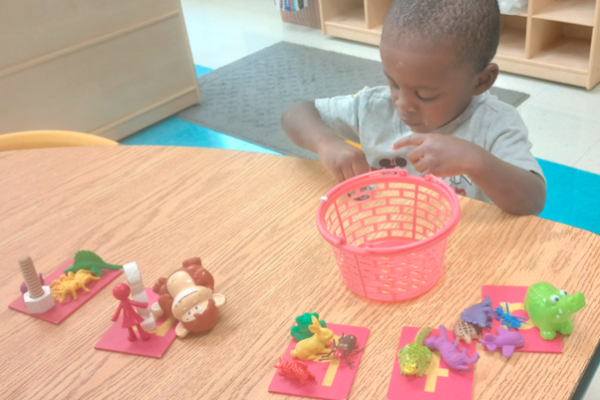
High-quality classrooms use purposeful play to teach communication, motor skills, social interaction, creativity, and early academics. Children absorb concepts faster when they experience them physically and emotionally.
One child stacking blocks may actually be learning:
- Balance
- Spatial awareness
- Patience
- Problem-solving
- Early math concepts
That is why strong preschool environments never feel silent for long. Healthy classrooms buzz with conversation, movement, laughter, questions, and discovery.
The best part? Children often do not realize how much they are learning because the process feels joyful.
What Should Parents Watch for During a Preschool Tour?
Parents often focus on curriculum sheets first. Yet the classroom atmosphere usually reveals more about preschool quality.
During a visit, ask yourself:
- Do children look relaxed and engaged?
- Are teachers responsive and warm?
- Can children access materials independently?
- Does the classroom feel clean and organized?
- Is there room for movement and exploration?
- Are sensory activities thoughtfully included?
Pay attention to the energy in the room. Children cannot fake emotional comfort for long. If the environment feels welcoming, connected, and active, that usually reflects strong educational practices underneath.
How a Strong Classroom Environment Builds Lifelong Learners
Children carry early classroom experiences for years. A supportive environment teaches far more than colors and numbers.
It teaches children how to:
- Trust adults
- Express emotions
- Explore safely
- Solve problems
- Build confidence
- Stay curious
Those skills shape future learning far beyond preschool walls.
At Discovery Zone Kids, we create playful, emotionally secure classrooms where children confidently explore, learn, connect, and grow together.
FAQs
1. How does classroom setup affect preschool learning?
A thoughtful setup improves focus, emotional security, independence, and social interaction. Organized spaces help children feel calm, confident, and ready to explore actively.
2. Why are sensory activities important in preschool classrooms?
Sensory activities strengthen brain connections, improve motor skills, support emotional regulation, and help children learn concepts through hands-on experiences and exploration.
3. What makes a preschool classroom emotionally supportive?
Warm teachers, predictable routines, safe spaces, calm communication, and child-friendly layouts help children feel emotionally secure and confident during learning.
4. How can parents identify a high-quality preschool environment?
Observe teacher interactions, classroom organization, child engagement, sensory materials, cleanliness, and whether children appear relaxed, active, and emotionally comfortable.
5. Why is play-based learning effective for preschoolers?
Play-based learning supports creativity, language, social skills, problem-solving, emotional growth, and early academics while keeping children naturally engaged and motivated.
Get In Touch
For more information or to schedule a tour, get in touch with Discovery Zone Kids today!
Phone: 706-496-2489
Email: discoveryzonekids@gmail.com

 Recent Post