
Summary: Frequent Permanent Change of Station (PCS) moves can affect a child’s emotions, friendships, learning, and confidence. This guide explains how quality early childhood education helps military children adjust through stable routines, play-based learning, developmental assessments, and caring relationships. It also shows how parents can support healthy development during every transition.
One move can change almost everything in a child’s world. New faces. A different school. An unfamiliar neighborhood. Fresh routines. For military families, Permanent Change of Station (PCS) moves are part of life. Yet every move asks a child to start over. A trusted child development center Fort Eisenhower can make that change feel less overwhelming by creating a safe place where children learn, play, and regain confidence.
What happens to a child’s development during frequent PCS moves?
PCS moves can influence several parts of early childhood development at the same time. Children are not only changing homes. They are also leaving familiar teachers, classmates, playgrounds, and daily routines. Young children often depend on predictability. When that disappears, they may struggle to understand why everything feels different. The good news is that caring adults and structured early learning can soften the impact.
Why do routines matter so much after a military move?
Children feel secure when they know what comes next. Daily routines act like steady stepping stones across a moving stream. Regular meal times, circle time, outdoor play, story sessions, and naps help children settle into their new surroundings. Predictable schedules lower stress and help children focus on learning instead of worrying about constant change.
As routines become familiar, children begin to trust their new environment. That emotional security creates the foundation for healthy growth across every developmental stage.
How can PCS moves affect emotional regulation?
Young children often express emotions through behavior before they can explain them with words. After a move, you may notice clinginess, frustration, quietness, sleep changes, or sudden emotional outbursts. These reactions are common because children are adjusting to loss, uncertainty, and unfamiliar experiences.
Supportive educators recognize these signals early. They create calm spaces, encourage emotional expression through play, and help children name their feelings. Over time, children develop stronger emotional regulation because they learn that their emotions are understood rather than ignored.
What happens to social skills after changing communities?
Building friendships takes time. Military children may become skilled at meeting new people, yet repeated goodbyes can also make some children hesitant to form close relationships. They may watch from the sidelines before joining group activities.
High-quality early learning programs create many opportunities for cooperative play, sharing, turn-taking, and group projects. These daily interactions help children rebuild trust with peers. Slowly, familiar faces become friends, and confidence returns one conversation at a time.
Can moving affect cognitive growth and learning?
Yes, especially during the early years when children’s brains develop rapidly. Different preschool programs may follow different learning approaches. A child who changes classrooms often may experience gaps in learning experiences or different teaching expectations.
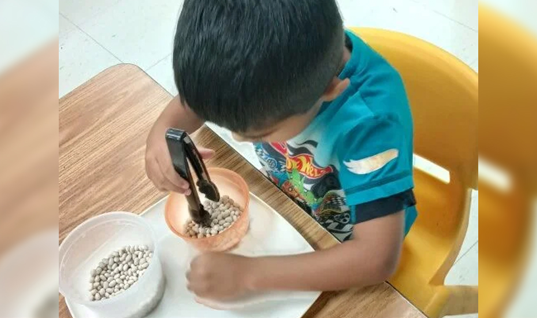
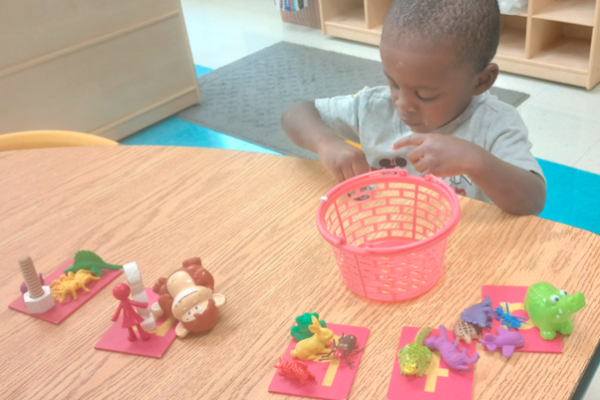
Play-based education helps bridge those gaps naturally. Hands-on exploration, puzzles, sensory activities, storytelling, music, science discovery, and creative art encourage children to think, solve problems, and stay curious. Learning feels enjoyable instead of stressful, making adjustment much smoother.
How does a child development center support school readiness?
School readiness is much more than knowing letters and numbers. It also includes listening, following directions, managing emotions, solving simple problems, and working with others.
A quality child development center Fort Eisenhower supports these skills every day through structured learning experiences. Teachers observe developmental milestones, adapt activities to each child’s needs, and encourage independence through age-appropriate responsibilities. These experiences prepare children for kindergarten while supporting healthy emotional development.
How do developmental assessments help children during military transitions?
Every child adjusts differently. Some settle into a new classroom within days. Others need several weeks before they feel comfortable. Developmental assessments help educators understand where each child is growing well and where extra support may help.
These assessments are not tests to pass or fail. Instead, they track language, motor skills, social development, emotional growth, and early learning milestones. When teachers share these observations with parents, everyone works toward the same goal; helping the child thrive through every stage of development.
What role does play have in helping children adapt?
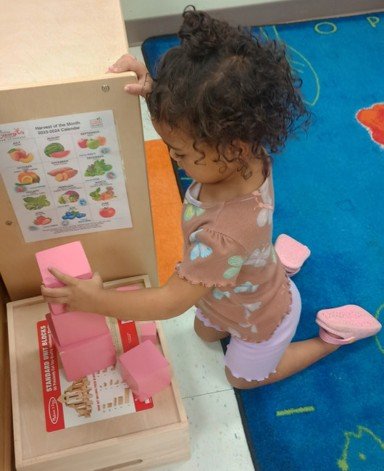
Play is a child’s natural way of making sense of change. While adults talk through problems, children often work through them while building blocks, drawing pictures, pretending, or playing with friends.
Hands-on learning encourages children to explore new ideas without pressure. Pretend play helps them express feelings. Group games strengthen teamwork. Outdoor activities reduce stress while building physical confidence. Each playful moment quietly supports healthy brain development and emotional resilience.
How can you support your child before and after a PCS move?
Small, thoughtful actions often make the biggest difference.
- Talk about the move using simple, honest language.
- Keep bedtime and meal routines as consistent as possible.
- Encourage your child to ask questions and share feelings.
- Read books about moving and making new friends.
- Visit the new learning environment before the first day when possible.
- Stay connected with teachers during the adjustment period.
- Celebrate small milestones, such as joining a group activity or making a new friend.
These simple habits create familiarity when everything else feels new.
Why does a nurturing learning environment matter so much?
Children learn best when they feel emotionally safe. Warm teacher-child relationships, predictable routines, engaging classrooms, and meaningful play create an environment where children are willing to explore, ask questions, and develop confidence.
Families searching for a trusted Grovetown GA daycare often look beyond supervision. They want a place where children build resilience, curiosity, communication skills, and a genuine love for learning. Those qualities support success not only after one PCS move but throughout military life.
How can early childhood education build lifelong resilience?
Military children often develop remarkable strengths. They learn flexibility, empathy, independence, and problem-solving through new experiences. These strengths grow faster when children receive consistent emotional support and developmentally appropriate learning opportunities.
Quality early education helps children understand that change does not have to feel frightening. Instead, each new classroom becomes another place where they can learn, belong, and grow with confidence.
Final thoughts
PCS moves may change addresses, but they do not have to interrupt healthy development. With steady routines, caring relationships, purposeful play, and ongoing developmental support, children can adjust successfully while continuing to learn and thrive. At Discovery Zone Kids, we welcome your family with nurturing early learning that helps every child grow confidently through every military transition. Our 6AM – 6PM timings ensure that the schedule is followed at every step.
Frequently Asked Questions
1. How do PCS moves affect young children’s emotional development?
PCS moves may cause stress, anxiety, or clinginess. Consistent routines, caring educators, and emotional support help children develop healthy coping skills and regain confidence.
2. Why is routine important after a military relocation?
Daily routines provide predictability and emotional security. They help children feel safe, reduce stress, and make it easier to adapt to new learning environments.
3. Can frequent military moves delay school readiness?
Frequent moves may interrupt learning continuity. Strong early childhood programs maintain developmental progress through structured play, skill-building activities, and individualized support.
4. How do child development centers support military families?
They provide stable routines, developmental assessments, social learning opportunities, emotional guidance, and play-based education that helps children adjust successfully after each PCS move.
5. What should parents look for in an early learning program after relocating?
Choose a center that offers experienced educators, structured daily routines, developmental tracking, engaging play-based learning, open family communication, and a warm, welcoming environment that supports emotional well-being.
Get In Touch
For more information or to schedule a tour, get in touch with Discovery Zone Kids today!
Phone: 706-496-2489
Email: discoveryzonekids@gmail.com

 Recent Post