
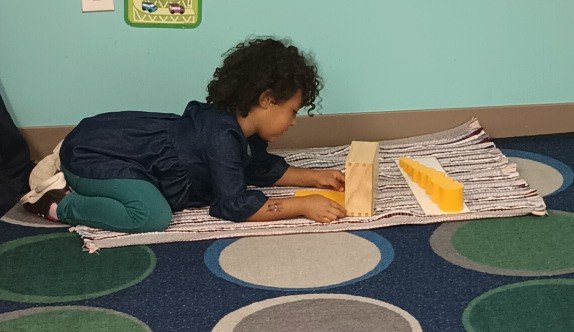
Imagine a busy Monday morning. You drop your child off, and as you turn to leave, they are already deep into a “space mission” with cardboard boxes and paint. You smile, but a tiny thought lingers: is this just play, or is something bigger happening here? What if these messy finger-painting sessions are actually the secret to a stable economy?
Why does early play build a stronger economy?
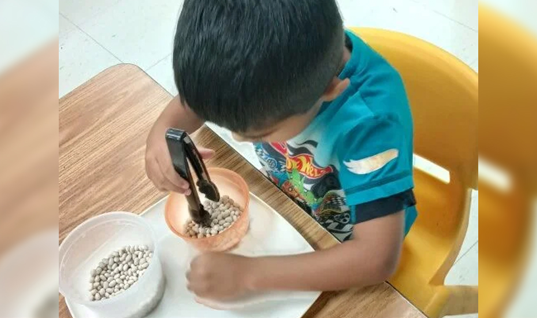
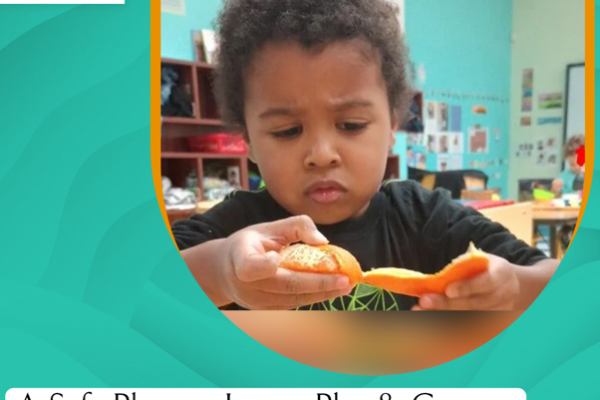
Most people think of school as something that starts at age five. However, the brain does its heaviest lifting long before the first kindergarten bell rings. High-quality early childhood education Grovetown parents choose provides the foundational “wiring” for everything that follows. When children engage in hands-on activities, they aren’t just occupied; they are developing cognitive flexibility. This ability to pivot and solve problems is the exact skill top CEOs look for in the modern workforce.
Economists actually track this. They found that every dollar spent on quality early learning returns significantly more to society. This happens through higher graduation rates and better-paying jobs later in life. It’s like planting a seed today to ensure a massive harvest twenty years from now. But what happens if we ignore these early years?
How does childcare support the current workforce?
We often overlook that early learning centers are the “workforce behind the workforce.” For military families near the child learning center Fort Eisenhower Area, reliable care is a mission-critical necessity. When parents know their children are in a safe, nurturing environment from 6 AM to 6 PM, they can focus entirely on their professional duties. This stability reduces employee turnover and boosts local business productivity.
Our community thrives when parents can pursue their careers without the constant stress of “who is watching the kids?” It’s a ripple effect. A supported parent is a productive employee, and a productive employee builds a stronger local city. Yet, there is a deeper layer to this than just helping parents get to work on time.
Can play really bridge the social equity gap?
Education is the great equalizer, but only if everyone starts at the same line. Quality preschool programs provide children from all backgrounds with the same “vocabulary of success.” By focusing on emotional security and curiosity, we ensure that every child enters elementary school with the confidence to ask questions. This levels the playing field before the race even starts.
At Discovery Zone Kids, we make it a point to match all the standards that are expected of it by creating an environment where hands-on exploration is the priority. We believe that a child who feels safe to fail while building a block tower today will be an adult who isn’t afraid to innovate in a laboratory tomorrow. But how do we turn curiosity into a lifelong habit?
What is the link between curiosity and career readiness?
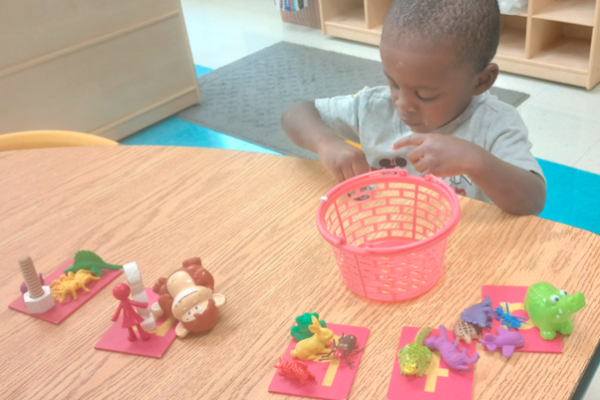
The modern job market changes fast. We don’t even know what jobs will exist in fifteen years. Because of this, “learning how to learn” is more important than memorizing facts. When kids play, they test hypotheses. “Will this bridge hold the toy car?” is a basic engineering test. This spark of curiosity is the engine of lifelong learning.
Research shows that kids who attend high-quality early childhood education Grovetown programs are less likely to require remedial services later. They develop “soft skills” like empathy, patience, and teamwork through group play. These aren’t just “nice” traits; they are the backbone of a functional, peaceful society. But wait, is there a specific age where this window of opportunity closes?
Does early learning impact local community safety?
It sounds like a stretch, but the data is clear. Children who experience supportive, structured early environments have much better social outcomes. They learn to regulate their emotions and resolve conflicts with words rather than outbursts. Over decades, this leads to lower crime rates and stronger community bonds. It turns out that learning to share toys is the first step in learning to share a society.
By investing in early childhood education Grovetown families can trust, we are essentially buying an insurance policy for our future. We are raising neighbors who are contributors, thinkers, and leaders. It all starts with a simple invitation to explore and a safe place to grow.
FAQs
- How does early education help the local economy?
It allows parents to work consistently while preparing children for high-paying future careers. This increases tax revenue and reduces the need for public assistance and remedial education costs later in life.
- Is play-based learning as effective as traditional desks?
Yes. Research proves that “active” learning helps young brains retain information better. Through play, children develop critical thinking and social skills that are much harder to teach in a rigid, lecture-style setting.
- Why is emotional security emphasized in preschool?
A child’s brain cannot learn if it doesn’t feel safe. By nurturing emotional health, we ensure the “learning centers” of the brain stay open, allowing kids to absorb new concepts and take healthy risks.
- How does early learning support military families?
Military life is often unpredictable. Having a stable, high-quality learning center provides children with a sense of routine and safety, which is vital for resilience during deployments or frequent moves to new areas.
- What should I look for in a quality learning center?
Look for an environment that encourages questions, offers diverse hands-on materials, and has educators who interact warmly with kids. A great center focuses on the “whole child,” not just basic ABCs.
Get In Touch
For more information or to schedule a tour, get in touch with Discovery Zone Kids today!
Phone: 706-496-2489
Email: discoveryzonekids@gmail.com

 Recent Post